

INVISIBLE BACTERIA, REAL RISKS: AN INNOVATIVE IDEA TO STOP THEM
2025-03-14 BacteriaCarta DefendoDefendo PaperEco Silver PaperEco Silver PaperHygieneProducts
Bacterial growth is a natural phenomenon that occurs everywhere, but in some environments it can pose a significant risk to our health. Understanding the mechanisms by which bacteria multiply helps to develop effective strategies for their management and prevention. In this context, the use of fully antibacterial paper represents an innovative solution to reduce microbial proliferation and improve hygiene in at-risk environments.
What is bacterial growth?
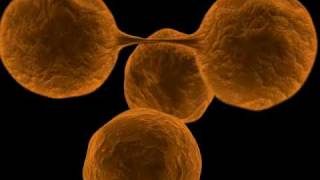
Bacterial growth refers to the increase in the number of bacteria through cell division. The most common process is binary scission, in which a bacterial cell divides into two genetically identical daughter cells. Some bacteria, such as Bacillus and Clostridium spores, can also reproduce through reproductive spores, which ensure survival in unfavourable environmental conditions.
A single bacterium can multiply exponentially within hours if conditions are favourable, creating colonies of millions of cells. This process occurs rapidly in wet, nutrient-rich environments, especially on surfaces frequently touched by the hands, such as towel dispensers, door handles and worktops.
Factors influencing bacterial growth
Bacteria grow best under optimal environmental conditions, influenced by several factors:
Nutrients: to grow, bacteria need a source of carbon and nitrogen, found in food residues, body secretions and contaminated surfaces.
Temperature: most pathogenic bacteria grow between 20 and 45°C. The most dangerous range for bacterial growth is between 30 and 37°C, which corresponds to human body temperature.
pH: most bacteria prefer a neutral or slightly alkaline pH (between 6.5 and 7.5). Environments that are too acidic or too basic inhibit growth.
Humidity: water is essential for bacterial metabolism. Moist surfaces promote microbial proliferation, while dry surfaces reduce it.
Oxygen: some bacteria need oxygen (aerobes), while others grow best in oxygen-free environments (anaerobes).
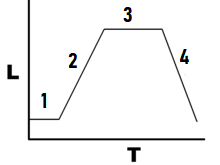
The bacterial growth curve
The bacterial growth process follows a curve divided into four main phases:
- Latency phase (lag phase): bacteria acclimatise to their new environment and activate their metabolic mechanisms before beginning to divide.
- Exponential phase (log phase): bacterial growth occurs rapidly, with cells dividing at constant intervals.
- Stationary phase: resources begin to run out and growth slows down, reaching an equilibrium between birth and cell death.
- Decline phase: the accumulation of toxic waste and lack of nutrients leads to the progressive death of the bacterial population.
Which environments are most at risk?
Humid and warm environments are ideal breeding grounds for bacteria. Some of the places most at risk include:
- Public bathrooms and sanitary facilities: high humidity and frequent contact with contaminated surfaces make these environments ideal for bacterial proliferation.
- Hospitals and healthcare facilities: the presence of pathogenic bacteria, combined with the vulnerability of patients, makes strict hygiene essential.
- Restaurants and industrial kitchens: food contact, humidity and heat promote cross-contamination between surfaces.
- Offices and schools: shared objects such as keyboards, telephones and door handles can become real bacteria tanks.
The importance of using antibacterial paper
A truly effective innovation for combating microbial proliferation is antibacterial paper, such as the Eco Silver Paper range. This paper incorporates stabilised silver ions, known for their natural antibacterial properties. The silver ions act directly on the cell membranes of bacteria, inhibiting their growth and preventing the formation of resistant colonies. Thanks to Eco Silver Paper products we have:
- Reduced risk of contamination: the antibacterial action helps keep surfaces more hygienic, especially in settings with high human contact.
- Increased safety in healthcare and food environments: the use of antibacterial materials in healthcare facilities and restaurants can reduce the spread of pathogens.
- Environmental sustainability: Eco Silver Paper is an environmentally friendly alternative to traditional solutions, contributing to reduced waste thanks to its long life and lower environmental impact.
- Adaptability to different environments: it can be used in hospitals, offices, restaurants, schools and other public places to improve hygiene without the need for aggressive chemical solutions.

Bacterial growth is an inevitable process, but with the right strategies it can be effectively controlled. Among the most innovative solutions, the antibacterial Eco Silver Paper offers active protection against microbial proliferation, improving hygiene in risky environments. Its antibacterial action, combined with a commitment to sustainability, makes it an excellent choice for those who wish to combine protection and respect for the environment.
Find out more about Eco Silver Paper and how this solution can improve safety and hygiene in your facility.

LATEST COMMENTS